Global Market Shifts Redefine Access Patterns for Tiered Reward Structures in Blockchain-Integrated Gaming Platforms
Written by Harper Friedrich · Sep 20, 2026
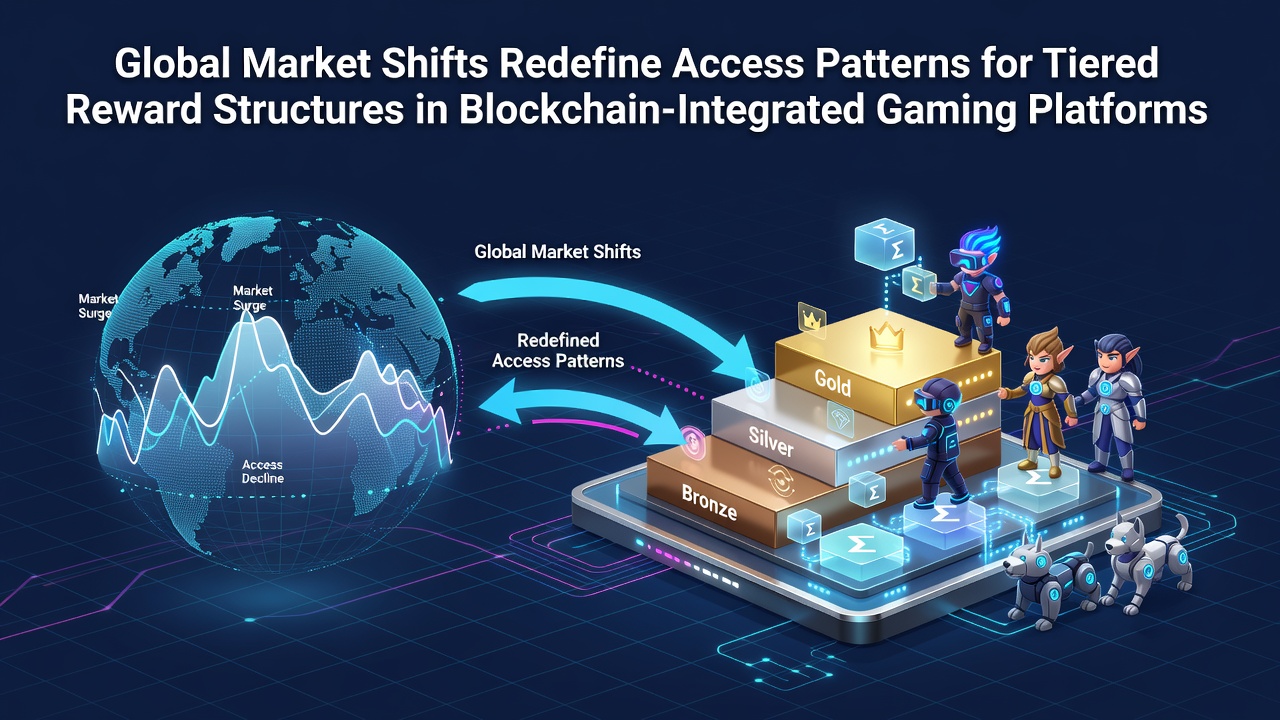
Global Market Shifts Redefine Access Patterns for Tiered Reward Structures in Blockchain-Integrated Gaming Platforms
Global economic changes and regulatory adjustments across multiple continents have begun reshaping how players reach higher levels in tiered reward systems within blockchain-integrated gaming platforms, according to industry data compiled through the first half of 2026. Market volatility in key cryptocurrency hubs combined with new cross-border payment rules has altered the pathways that once allowed direct token accumulation for progression, forcing platforms to adapt their access mechanics.
Researchers tracking adoption rates noted that platforms operating in Asia-Pacific regions experienced the most pronounced adjustments after several governments introduced updated digital asset frameworks in early 2026. These frameworks required verified wallet linkages before users could unlock mid-tier rewards, which previously relied on anonymous on-chain transactions. Data from regional trade groups shows participation in advanced reward brackets dipped temporarily before stabilizing once compliance tools integrated with existing game engines.
Regional Economic Pressures Drive Structural Changes
Economic pressures in Europe prompted several blockchain gaming operators to revise their tier progression algorithms during the summer months, as currency fluctuations affected the real-world value of in-game tokens used for advancement. Observers tracking these platforms report that developers introduced hybrid verification steps that blend traditional banking rails with blockchain confirmations, allowing users to maintain access to upper reward tiers without exposing full wallet histories. This approach emerged after figures from the European Gaming and Betting Association highlighted a 22 percent shift in user engagement patterns tied to access restrictions.
Platforms based in North America followed similar patterns once reports surfaced in September 2026 detailing how supply chain disruptions in hardware components slowed the rollout of new gaming devices capable of handling complex smart contracts. Those delays indirectly limited new user entry into high-tier reward structures, prompting companies to offer alternative onboarding routes through established payment processors. Studies conducted by academic teams at institutions focused on digital economies indicate these adaptations preserved overall retention rates while redistributing how rewards distribute across player segments.
Blockchain Integration Meets New Compliance Layers
Blockchain integration within gaming environments has long relied on seamless token flows to fuel tiered incentives, yet recent global market shifts introduced friction points that demand layered verification. Industry organizations across Australia and Canada documented parallel developments where platforms began segmenting reward access based on geographic compliance scores rather than pure transaction volume. This segmentation means players in certain jurisdictions now navigate additional steps before qualifying for premium tiers that grant exclusive digital assets or governance rights.

One study released by a Canadian research consortium revealed that platforms incorporating multi-signature wallet requirements saw faster recovery in tier progression metrics compared to those maintaining single-signature models. The findings suggest that such technical adjustments align better with evolving international standards on digital asset transfers, reducing friction for users who previously faced abrupt access denials during peak trading periods. What's interesting is how these changes coincide with broader adoption of stablecoin options that buffer against volatility while still feeding into blockchain-based reward ledgers.
Player Behavior and Platform Responses in Late 2026
Player behavior data collected through September 2026 shows increased reliance on intermediary services that convert fiat deposits into platform-specific tokens before any tier advancement occurs. This method gained traction after several Asian markets tightened rules on direct crypto inflows, according to reports from the Infocomm Media Development Authority in Singapore. Platforms responded by embedding these conversion tools directly into their reward dashboards, which streamlined access for users who once managed separate wallet operations.
Those monitoring the sector note that mid-tier rewards, such as limited-edition NFTs or boosted staking yields, now require proof of sustained activity across verified channels rather than one-time large deposits. This evolution reflects market realities where capital flows face greater scrutiny, yet it also opens avenues for smaller, consistent contributors to climb tiers at steadier rates. Evidence from multiple platform analytics dashboards supports the view that diversified access methods have broadened participation without diluting the exclusivity of top-tier benefits.
Conclusion
Global market shifts continue to influence how blockchain-integrated gaming platforms structure access to tiered rewards, with regional regulations and economic factors playing central roles in the adjustments observed through September 2026. Platforms that incorporated flexible verification and hybrid payment options maintained stronger engagement across reward levels, while data from varied international sources underscores the ongoing evolution of these systems. Future developments will likely hinge on further alignment between blockchain capabilities and cross-jurisdictional requirements.