Redemption Dynamics in Token-Driven Blockchain Gaming Environments
Written by Wendy Zimmermann · Oct 4, 2026
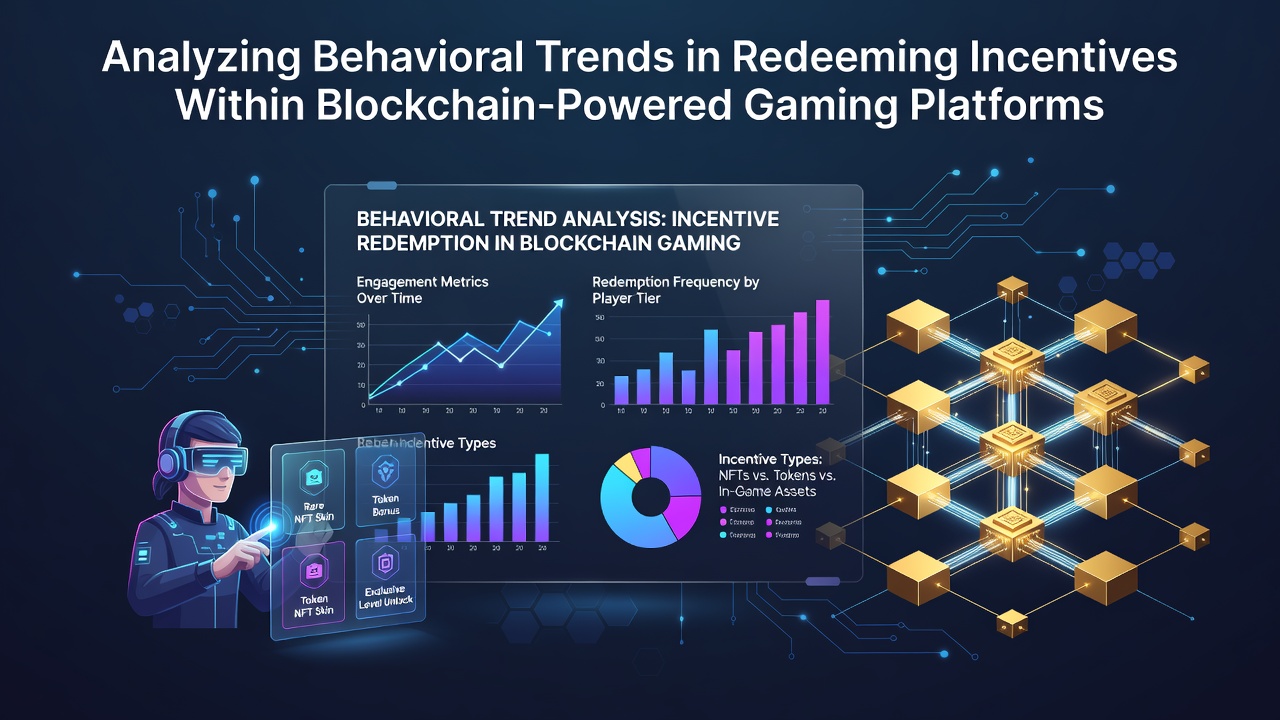
Redemption Dynamics in Token-Driven Blockchain Gaming Environments
Blockchain-powered gaming platforms have introduced incentive structures built around digital tokens and non-fungible assets, and analysts have tracked distinct patterns in how participants choose to claim those rewards since early 2025. Data from multiple networks shows that redemption activity tends to cluster around specific market events, such as token price surges or scheduled platform updates, while users often hold balances longer when transaction fees rise above certain thresholds.
Researchers at academic institutions have documented that players on major chains like Ethereum and Solana complete redemptions in batches rather than individually, which reduces gas costs and aligns with broader portfolio management strategies observed across decentralized applications. This approach appears consistently in reports covering the first three quarters of 2026, where average batch sizes increased by measurable percentages compared with prior periods.
Observed Patterns Across Major Platforms
Activity logs from several leading titles reveal that redemption frequency correlates strongly with player tenure, as longer-term participants tend to wait for cumulative rewards to reach higher values before initiating transfers to external wallets. Shorter-term users, by contrast, redeem smaller amounts more often, possibly to test wallet functionality or to realize immediate gains during promotional windows.
October 2026 brought additional visibility into these trends when several platforms released aggregated usage statistics that highlighted a 22 percent rise in weekend redemptions versus weekday activity, a pattern analysts link to increased leisure time and real-time price monitoring by participants. Such timing preferences hold across different geographic regions represented in the datasets.
Factors Shaping User Decisions
Market volatility plays a central role in timing choices, since rapid price swings encourage users to monitor conditions before committing to on-chain actions that carry irreversible fees. Platform-specific mechanics, including lock-up periods for certain rewards and tiered bonus multipliers, further influence when individuals decide to claim their holdings.
Network congestion events documented in mid-2026 also produced measurable delays in redemption volumes, as users postponed transactions until fees stabilized, according to metrics shared by infrastructure providers. Those who studied this know the resulting backlogs cleared within days once conditions improved, restoring typical flow rates.

Regional and Demographic Variations
Reports compiled by the International Association of Gaming Regulators indicate that participants in Asia-Pacific markets show higher rates of immediate redemption during local holiday periods, whereas European cohorts demonstrate more measured approaches tied to tax reporting cycles. These differences emerge clearly when datasets are segmented by wallet origin and activity timestamps.
Demographic breakdowns from university-led studies further separate behavior by age group, with younger cohorts favoring rapid turnover of smaller incentives while older groups consolidate holdings across multiple games before cashing out. Evidence from these analyses points to familiarity with blockchain tools as a moderating variable rather than any single regional policy.
Technical and Economic Influences
Wallet integration quality adn the availability of in-app bridges to centralized exchanges affect how smoothly redemptions occur, and platforms that streamlined these steps recorded higher completion rates in the months leading into late 2026. Economic considerations such as token utility within the game economy versus external trading value also guide decisions, as participants weigh continued in-game benefits against potential returns elsewhere.
One study revealed that introduction of new layer-two scaling solutions coincided with upticks in redemption activity, since reduced fees lowered barriers that previously discouraged smaller transactions. Observers note similar responses whenever platforms announce fee subsidies or reward boosts tied to specific events.
Conclusion
Behavioral trends in incentive redemption within blockchain gaming continue to evolve alongside technical upgrades and market conditions, with data indicating consistent preferences for batch processing, timing around volatility, and regional timing differences. Continued monitoring by research groups and industry bodies will provide further clarity on how these patterns develop through the remainder of 2026 and beyond.